
Pool Deck Shade · Connecticut
Pool Deck Shade for Connecticut Homeowners: Awnings, Screens, and What Actually Works
A Connecticut pool deck without shade is a sun trap from noon through late afternoon. Here is a clear look at the options that actually solve the problem — and how to choose the right one for your layout.
Why pool decks are harder to shade than a regular patio
A covered patio has walls on at least one side and usually benefits from some roof overhang. A pool deck is open on all sides, receives direct sun from mid-morning through late afternoon, and adds water-reflected UV on top of direct exposure. Most shade products are designed for sheltered patios and fail faster in a pool environment.
Connecticut adds wind to the equation. Coastal and lakefront properties deal with regular afternoon gusts, and the Long Island Sound creates a persistent southwesterly flow that peaks in summer. Any shade structure over a Connecticut pool deck needs to handle both heat and wind without becoming a liability during a storm.
The good news: there are purpose-built solutions designed for open, exposed outdoor spaces. The key is matching the system to your specific deck layout, sun path, and how you use the pool.
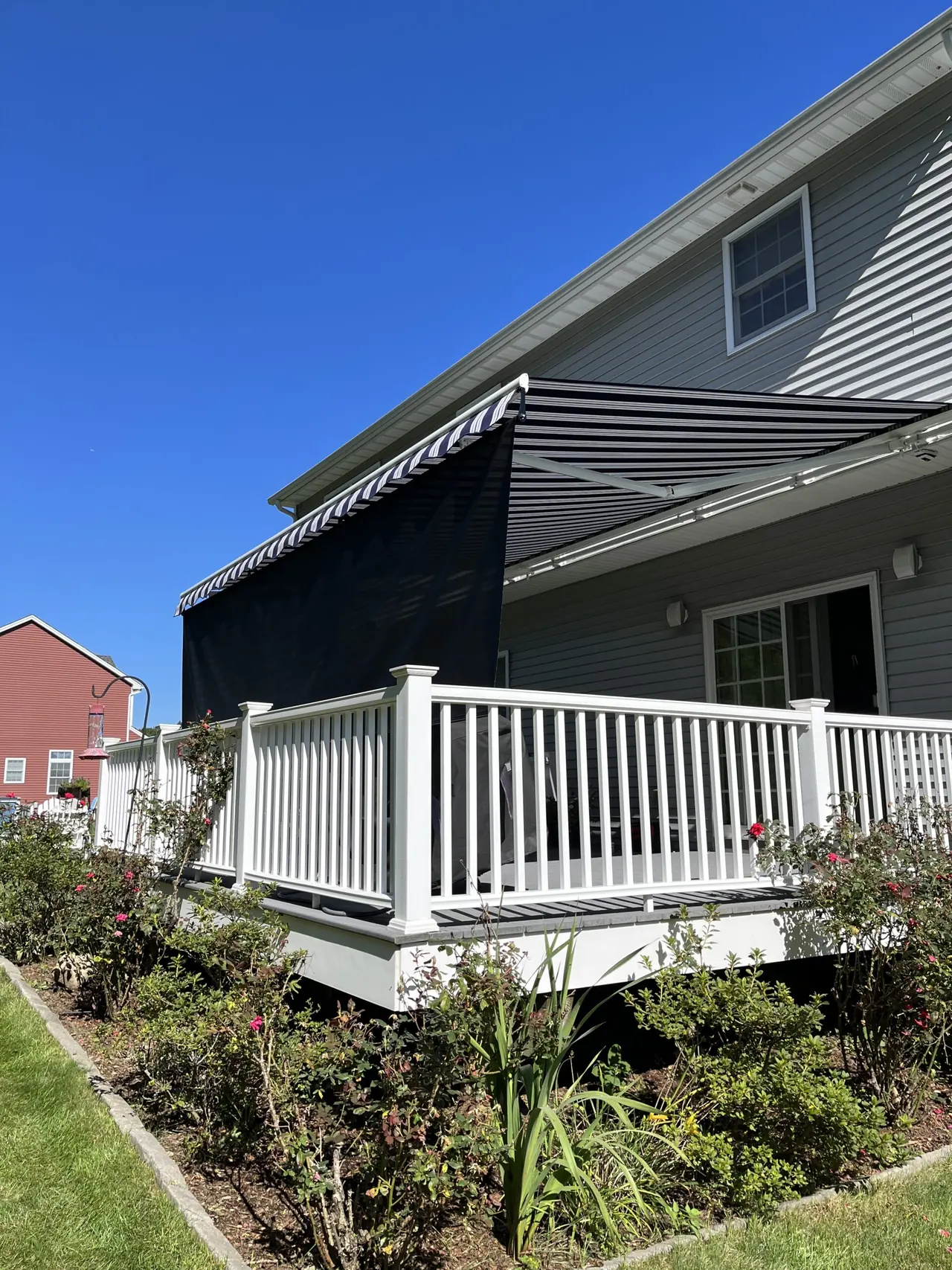
A motorized retractable awning creates a comfortable shaded lounge zone on a pool deck without blocking the view when retracted.
Your main options for pool deck shade in Connecticut
Retractable awnings over the deck seating area
The most common setup on Connecticut pool decks is a retractable awning over the table and chairs section rather than the pool itself. This creates a comfortable shaded lounge zone while keeping the swim area open. Motorized units with wind sensors retract automatically when conditions change, which matters on exposed sites. Our Connecticut awning cost guide covers real installed pricing across system sizes.
Motorized zip-track screens for covered structures
If your pool deck has a pergola, covered porch, or attached structure, motorized zip-track screens drop down to create a fully enclosed space that blocks bugs, glare, and late-afternoon sun from any angle. Unlike hanging mesh panels, zip-track systems seal at the side channels so they hold their position in wind and actually do the job they are supposed to do. The screens vs. awnings comparison breaks down when each option makes sense.
Motorized louvered pergolas
A motorized louvered pergola over the deck seating area lets you adjust shade level without fully closing off the space. Louvers open for breeze and sky view, close against rain or overhead sun. Full coverage on how they work and what they cost is in our Connecticut louvered pergola guide.
Freestanding canopy systems
For pool decks detached from the house with no wall to mount to, freestanding canopy structures can be independently anchored. These are more involved projects that typically require professional assessment for the footings, but they solve the exposure problem when no other mounting point exists.
Choosing the right system: at a glance
One thing to avoid on pool decks: shade sails. The fabric panels look clean in product photos but are difficult to tension correctly on a residential install, collect leaves and debris, and lose their shape over Connecticut winters. A motorized system with quality fabric costs more upfront and will still be working in year twelve. Most shade sails will not get there.
Fabric and material selection for pool environments
Pool decks expose shade fabric to chlorine-rich air, UV amplified by water reflection, and occasional direct splashing. Not every awning fabric holds up to this combination. For pool-adjacent installations, solution-dyed acrylic — Sunbrella and equivalent performance grades — is the correct choice. The color is part of the fiber rather than a surface coating, so it does not bleach or fade under the UV-plus-chemical exposure that pool environments create.
Neutral and lighter tones work well on pool decks because they reflect rather than absorb heat, keeping the underside of the awning cooler. Darker fabrics create deeper shade but can radiate heat downward in intense July sun. Our team walks through fabric options during the free estimate visit.
For the cleaning routine, our fabric maintenance guide covers everything. On pool decks, cleaning is slightly more frequent than on a sheltered patio — a soft brush and mild soap solution two or three times per season keeps the fabric looking right and extends its service life.
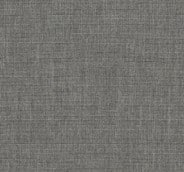
Solution-dyed acrylic fabrics resist UV and chlorine-rich pool air — the right material for a Connecticut pool deck shade system that needs to last.
Sizing and sun-path considerations for Connecticut pools
Pool deck shade sizing follows different logic than a sheltered patio. The goal is not to shade the entire deck — it is to shade the sitting zone during the hours that sun actually hits it. In Connecticut, the most intense afternoon light comes from the southwest, which is exactly when pool use peaks on a summer day. Understanding your deck’s orientation before sizing is the difference between a system that works and one that shades the wrong section.
Wind load calculation also matters on pool sites. Exposed lots near the shoreline or on elevated terrain may require additional arm reinforcement or a specific mounting configuration. A site visit catches these variables before the install begins. Our free on-site estimates cover this assessment at no charge.
For a broader look at what shade systems do to outdoor comfort and interior cooling costs, our post on how exterior shades lower cooling bills in Connecticut includes Department of Energy data on solar heat gain reduction through west-facing glass.
And if you are planning to keep using the deck into September and October, see how other homeowners extend their Connecticut outdoor living season with the right combination of shade and wind protection.
Frequently asked questions
Can a retractable awning mount to a pool deck with no house wall nearby?
Not through a standard wall-mount. Retractable awnings need a structural surface to attach to — a fascia board, beam, or exterior wall. For detached pool decks, the practical options are a freestanding post-mounted system or a louvered pergola anchored to the deck surface. Both are available; both require professional assessment to confirm the footing design is adequate for the wind loads on your site.
Will pool chemicals damage an awning frame or fabric?
Chlorine vapor at normal pool concentrations does not cause meaningful damage to anodized aluminum frames or solution-dyed acrylic fabric. Avoid leaving uncovered chemical buckets directly under the awning, and rinse the fabric if it takes a direct splash. The standard cleaning routine described in our maintenance guide is fully adequate for a pool deck environment.
Do I need a permit to install a shade awning over my pool deck in Connecticut?
Most retractable awnings do not require a permit in Connecticut municipalities because they are non-permanent structures. Freestanding systems with poured footings may require a zoning review. HOA rules vary by community and sometimes address fabric colors or structure heights. We address permit questions as part of the pre-install process and can advise on what applies in your specific town.
How does shade over the deck affect pool water temperature?
Shading the seating zone adjacent to the pool has minimal effect on water temperature — the pool surface itself stays in full sun. If water warmth is a concern, the right approach is shading the sitting area while leaving the pool exposed. That configuration is also what most Connecticut homeowners end up choosing for exactly that reason.
Serving Connecticut pool homeowners across the state
Ready to shade your Connecticut pool deck the right way?
A free on-site visit is how we figure out what actually fits your deck, your sun exposure, and your budget. No oversizing, no guesswork, and no undersized solution that fails after two seasons.